

Selling a Marinas By Owner In Connecticut For Cash
Sell Commercial Property CT
Selling a Gas Station By Owner In Connecticut For Cash
Sell Commercial Property CT
We’ll Give You A No Pressure As-Is Cash Offer in 24 Hours
We’re Local, Can Close in 10 Days, Fast Cash




A Complete Guide to Selling a Gas Station by Owner
in Connecticut for Cash

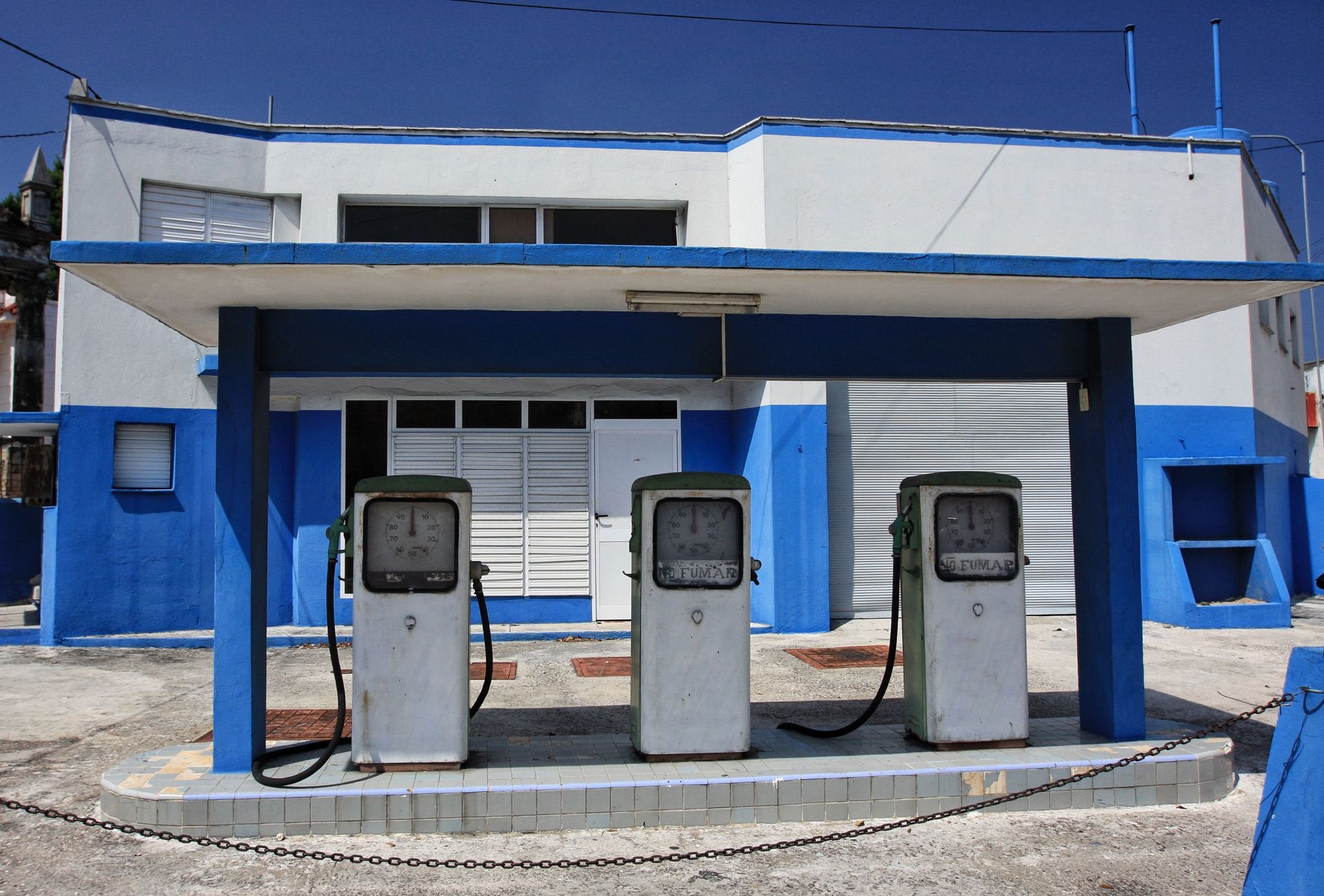
Connecticut’s gas station market is experiencing a transformative shift toward streamlined cash sales, creating unprecedented opportunities for station owners seeking efficient exits. The environment extends from neighborhood operations valued at $150,000 to premium multi-million-dollar properties, each presenting unique value propositions in today’s changing market.
Cash buyers are actively pursuing well-maintained stations across Connecticut, offering station owners a path to maximize returns while navigating intricate sales dynamics. This direct-sale approach typically concludes within 30 days, eliminating broker commissions and lengthy financing contingencies that often delay conventional transactions.
Success in the Connecticut gas station market hinges on understanding your property’s true market value and positioning. Branded stations with established fuel commission structures and unbranded locations with real estate ownership each carry distinct advantages in the marketplace. Environmental compliance, fuel volume metrics, and convenience store performance all play crucial roles in determining your station’s ultimate selling price.
From preparing thorough financial documentation to addressing state-specific environmental requirements, this guide outlines the essential steps for a successful cash sale. You’ll discover proven strategies for property valuation, buyer identification, and efficient deal closure in Connecticut’s unique regulatory environment. Understanding these key elements positions you to capitalize on today’s active market while ensuring a smooth transition of your valuable business asset.
Pre-Sale Preparation
And Valuation
Selling a Gas Station in Connecticut starts with thorough preparation, which serves as the foundation for a successful sale. A well-organized approach to valuation and documentation attracts qualified cash buyers while streamlining the entire sales process.Strategic preparation positions your gas station business to command optimal market value and minimize potential complications during the transaction.
Financial Documentation Assembly
Strong financial records form the bedrock of a successful gas station sale. Your preparation should include:
- Complete profit and loss statements
- Detailed balance sheets
- Business tax returns spanning 3-5 years
- Monthly fuel volume reports
- Commission structure documentation
- Merchandise sales trend analysis
These documents tell your station’s financial story, highlighting diverse revenue streams from fuel sales, convenience store operations, and additional income sources. Well-organized records demonstrating consistent performance tend to generate stronger buyer interest.
Selling a Gas Station By Owner In Connecticut For Cash
No Gas Station Repairs
Selling your Gas Station as is means we take care of all the hassles!
No Agents
Skip paying for agent commission. We make Gas Station sales simple!
No Fees
Not only do we have NO agent or iBuyer fees, we cover closing costs!
Fast Closing
Sell your Gas Station in 7 days or on your timeline! We buy Gas Station fast.
No Obligations
Take it or leave it. Our free cash offers come with no obligations.
Hassle Free
No agents. No inspection. No delays. We buy real estate as-is for cash!
What types of commercial property do we buy?
Convenience Store
RV Parks & Trailer Campgrounds
Laundromats
Auto Body Shop
Strip Malls Shopping Center
Assisted Living Facility
Undeveloped Land
Restaurants
Apartment Buildings
Mobile Home Park
Commercial Land
Storage Facility
Hotels Motels
Parking Garages
Funeral Home
Office Space
Warehouse
Gas Station
Car Wash
Farmland
Vineyards
Church
Marinas
Sell Gas Station Connecticut!
If a simple Gas Station sale that closes on your schedule sounds like what you need, come check us out. You can request a free quote for your Gas Station by filling out our form below!
We’ll Give You A No Pressure As-Is Cash Offer in 24 Hours
We’re Local, Can Close in 10 Days, Fast Cash
Contact Us
We will get back to you as soon as possible.
Please try again later.
Current Market Analysis In Connecticut
Understanding Connecticut’s gas station market conditions strengthens your negotiating position. Local market conditions reveal varied valuations based on:
Strategic location value
Asset quality and condition
Historical performance metrics
Revenue diversification
Market competition density
Growth potential
Successful stations tend to demonstrate stable monthly fuel volumes and robust convenience store revenues. Location characteristics, such as traffic patterns and neighborhood demographics, often influence a station’s market positioning and ultimate value.

Property And Equipment Assessment
Thorough evaluation of your station’s physical assets proves essential for accurate valuation. Key assessment areas include:
- Fuel pump condition and age
- Underground storage tank systems
- LED signage and digital displays
- Building infrastructure
- Recent upgrades and improvements
- Maintenance history
- Equipment warranty status
For unbranded stations with real estate ownership, property value typically represents a significant portion of the overall asset worth. Professional commercial property appraisals help establish credible market valuations.
Environmental Compliance Review
Connecticut’s rigorous environmental regulations make compliance documentation essential. A detailed environmental review should address:
- Assessing soil characteristics
- Underground storage tank compliance records
- Environmental site assessments
- Current permits and inspections
- Historical remediation documentation
- Ongoing monitoring reports
- Regulatory correspondence
Working with qualified environmental professionals helps ensure thorough documentation of your station’s compliance status. This careful attention to environmental requirements typically increases buyer confidence and expedites the sale process.
A well-organized due diligence package incorporating financial records, environmental reports, supplier agreements, and maintenance logs demonstrates professional oversight and operational transparency. This level of preparation tends to attract serious cash buyers seeking efficient transaction timelines.
Determining Your Gas
Station’s Worth
Accurately determining your gas station’s value establishes a strong foundation for attracting serious buyers while securing fair market value. A detailed valuation process examines multiple aspects of your business, creating an in-depth picture that reflects your station’s true worth in today’s competitive market.

Revenue Stream Analysis
Your gas station’s financial performance serves as the foundation of its market value. A detailed revenue analysis examines diverse income sources, from fuel sales to convenience store operations, lottery tickets, and auxiliary services like car washes.
Professional valuators typically focus on Seller’s Discretionary Earnings (SDE) or EBITDA, applying industry-standard multipliers to reflect current market conditions.
Fuel commission structures play a crucial role in your station’s overall profitability. The relationship between wholesale costs and retail pricing affects your profit margins, while additional revenue streams from convenience operations contribute to your station’s total value proposition.
Property Value Factors
Physical assets significantly influence your gas station’s market worth, particularly for unbranded stations with real estate ownership. The condition of your building, canopy, and signage directly impacts buyer interest and property valuation. Modern facilities with updated equipment tend to command stronger market positions.
Your fuel supply agreement status – whether branded or unbranded – shapes your station’s market appeal. Well-maintained facilities with contemporary features like LED signage typically enhance property value, while aging infrastructure might warrant strategic upgrades to maximize market potential.
Location And Traffic Assessment
Location quality remains a fundamental driver of gas station success potential. Stations situated in high-traffic areas with clear visibility and convenient access typically demonstrate stronger performance patterns. Strategic positioning near major highways, busy intersections, or densely populated areas often translates to sustained customer flow.
Consider your station’s competitive positioning within the local market terrain. Factors like traffic patterns, demographic trends, and proximity to commercial centers all contribute to your location’s strategic value. Stations showing consistent fuel volumes and strong convenience store sales typically command premium valuations.

Equipment And Inventory Valuation
A thorough equipment assessment strengthens your valuation position while addressing potential buyer concerns. Underground storage tanks (USTs) deserve particular attention due to environmental compliance requirements. Maintain detailed records of equipment upgrades, maintenance history, and compliance certifications.
Professional equipment appraisals provide objective validation of your assets’ condition and value. While inventory typically transfers separately at closing, the operational efficiency of your fuel pumps, POS systems, and store fixtures directly influences buyer interest.
Modern, well-maintained equipment often supports stronger valuations and smoother transaction processes.
Gas station valuations reflect the interplay of these key factors, with market values varying significantly based on specific characteristics and market conditions. Working with experienced valuation professionals helps ensure an accurate assessment that positions your station effectively in the marketplace.
Connecticut-Specific
Requirements
Selling a gas station in Connecticut demands careful attention to state-specific regulations and requirements. A thorough understanding of these obligations helps ensure a successful sale while protecting all parties from potential future liability. Even with straightforward cash transactions, regulatory compliance remains essential for a smooth transfer of ownership.

State Regulations And Permits
Connecticut’s regulatory framework encompasses multiple permits and licenses that govern gas station operations. The Department of Revenue Services (DRS) requires notification of any business asset transfer, with verification that all state taxes remain current. This includes:
- Sales and use taxes
- Petroleum products gross earnings taxes
- Business entity taxes (for LLCs and corporations)
Gas stations operating under registered business entities must maintain proper standing with the Connecticut Secretary of State throughout the transfer process. This often involves specific filings to document ownership changes or business structure modifications.
Environmental Standards
Environmental compliance serves as a cornerstone of Connecticut’s gas station transfer process. The Department of Energy and Environmental Protection maintains rigorous oversight of Underground Storage Tanks (USTs), with specific testing protocols and compliance measures required during ownership transitions.
A successful transfer typically requires:
- Complete tank maintenance records
- Current compliance certificates
- Regular testing documentation
- Spill prevention protocols
- Environmental safety measures


Transfer Requirements
The Connecticut Transfer Act significantly impacts gas station sales due to their classification as properties handling hazardous substances. This legislation necessitates thorough environmental site assessments and potential remediation before completing property transfers.
Early recognition of these requirements helps maintain momentum in the sales process while ensuring full regulatory compliance.
Local Zoning Considerations
Local municipalities often maintain distinct zoning regulations that affect gas station transfers. These ordinances may influence:
- Operational parameters
- Property use restrictions
- Special permit requirements
- Safety compliance measures
- Future development options
Working proactively with local authorities helps ensure all zoning requirements transfer smoothly to new ownership. This approach minimizes post-sale complications while protecting both buyer and seller interests throughout the transaction.
Professional guidance from environmental consultants and legal experts familiar with Connecticut’s gas station regulations proves invaluable during the transfer process. Their expertise helps guide through complex requirements while maintaining the efficiency advantages typically associated with cash transactions.
Marketing Your Gas Station
To Cash Buyers
Successfully marketing your gas station to cash buyers combines strategic positioning with thoughtful presentation of your property’s value. A well-crafted marketing approach attracts serious buyers while maintaining the confidentiality essential for a smooth transition.
Target Buyer Identification
The gas station market attracts distinct types of cash buyers, from seasoned operators to investment groups looking to expand their portfolios. These buyers typically seek properties with strong fundamentals and transparent operations. Consider what matters most to these buyers:
- Monthly fuel volume trends
- Convenience store performance metrics
- Equipment condition and maintenance records
- Location demographics and traffic patterns
- Operational efficiency indicators

Property Listing Strategies
A detailed sales memorandum serves as your property’s business card to potential buyers. This complete document should weave together your station’s story through:
- Historical financial performance
- Current operational metrics
- Complete asset inventory
- Market position analysis
- Growth opportunities
Marketing typically begins through established industry networks, gradually expanding while maintaining appropriate confidentiality. Including “cash buyers preferred” in listings helps attract qualified prospects while filtering casual inquiries.

Highlighting Key Selling Points
Think like a cash buyer when presenting your station’s advantages. Focus on elements that demonstrate sustainable value:
- Recent equipment upgrades and maintenance
- Environmental compliance status
- Established supplier relationships
- Location advantages
- Fuel commission structures
- Convenience store performance
Present clear financial documentation upfront, as cash buyers often conduct swift yet thorough evaluations. Transparency builds trust and accelerates the decision-making process.

Digital Marketing Approaches
Modern gas station marketing balances online visibility with discretion. Consider these digital strategies:
Professional photography showcasing key features
Virtual tours highlighting operational efficiency
Secure online data rooms for qualified buyers
Industry-specific listing platforms
Blind listings for confidentiality
Build connections within fuel industry networks and local business communities while maintaining professional discretion. Consider partnering with business brokers who represent qualified cash buyers – they often provide valuable connections while respecting your direct sale approach.
Cash Transaction
Process
Selling your gas station through a cash transaction combines speed with security when properly executed. A well-managed process protects both buyer and seller while streamlining the transfer of ownership through careful documentation and verification steps.

Buyer Verification Methods
Thorough buyer verification stands as your first line of defense in any cash transaction. Reputable buyers readily provide proof of funds through official bank statements or verification letters.
Many experienced buyers choose to work through professional escrow accounts, managed by neutral third parties like attorneys or title companies. This approach ensures secure fund transfers and builds trust between all parties involved.
Negotiation Strategies
Effective cash transaction negotiations extend beyond simple price discussions. While cash sales tend to move quickly, successful deals require clear alignment on multiple factors. Consider these key negotiation points:
- Timeline expectations and closing dates
- Equipment and inventory inclusion details
- Asset valuation and allocation
- Environmental compliance requirements
- Existing supplier relationships
Document each agreed-upon term in writing to create a clear record of expectations and commitments. This documentation serves as your roadmap throughout the closing process.


Sale Agreement Components
The Purchase and Sale Agreement (PSA) serves as your transaction’s cornerstone document. Working with qualified legal counsel helps ensure your PSA addresses essential elements:
- Detailed purchase price and payment terms
- Complete asset and inventory listings
- Environmental compliance obligations
- Permit and license transfer protocols
- Supplier contract assignments
- Employee transition guidelines
- Closing date specifications
Closing Procedures
A successful closing requires precise coordination of multiple elements. Most transactions utilize electronic fund transfers through secure escrow accounts, releasing funds only after meeting all closing conditions. Your closing team, including legal counsel and accountants, manages several critical tasks:
- Execution of transfer documents
- Bill of Sale preparation
- Permit transfer processing
- Regulatory compliance verification
- Tax consideration management
While cash transactions involving physical currency over $10,000 require specific IRS reporting through Form 8300, most modern business sales rely on secure electronic transfers. This approach provides both parties with a clear transaction record while ensuring compliance with financial regulations.
Frequently Asked
Questions
What documents do I need to sell my gas station in Connecticut?
Selling your gas station requires several essential document categories for a smooth transaction. Start with financial records spanning multiple years, including profit and loss statements and tax returns.
Business formation documents and current operational permits establish your legal standing. Property documentation should include deed, title reports, and current property assessments.
Environmental documentation deserves particular attention in Connecticut. Gather all Underground Storage Tank (UST) compliance records, maintenance logs, and testing reports.
A Phase I Environmental Site Assessment often proves valuable for both parties. The Connecticut Property Transfer Program may require additional environmental documentation based on your specific situation.
Operational documents round out your portfolio: current fuel supply agreements, equipment lease contracts, employee records, and detailed inventory management systems. Having these documents organized early helps streamline the sales process and builds buyer confidence.
he timeline for selling an RV park in Connecticut varies based on several key factors. Cash transactions generally move more swiftly than financed deals, though the process typically spans several months. Market conditions, property maintenance status, and local regulatory requirements influence the sale timeline.
While cash sales streamline the process by removing lender requirements, buyers still conduct thorough due diligence to ensure a sound investment. Most RV park owners find that proper preparation and organized documentation help support a smoother, more efficient transaction.
How long does a cash sale typically take?
Cash transactions tend to move more efficiently than traditional financed sales, with most completing within a 30 to 90-day window. This streamlined timeline reflects the absence of lengthy bank approval processes.
However, successful sales still require thorough due diligence, including environmental assessments, permit transfers, and legal documentation review. The specific timeline varies based on property complexity and local regulatory requirements.
Should I include inventory in the sale price?
Most gas station transactions handle inventory separately from the primary purchase price. This approach allows for more accurate valuation since fuel and convenience store inventory levels fluctuate daily.Most gas station transactions handle inventory separately from the primary purchase price. This approach allows for more accurate valuation since fuel and convenience store inventory levels fluctuate daily.
Consider structuring your agreement to address inventory as a separate line item, with a final count conducted just before closing. This method provides clarity for both parties and ensures fair compensation for current stock levels.
What environmental certifications are required?
The Connecticut Department of Energy and Environmental Protection (DEP) oversees critical environmental compliance requirements. Focus on Underground Storage Tank documentation, including current registration certificates, regular testing results, and detailed maintenance records.
Environmental site assessments are essential, starting with a Phase I assessment and potentially expanding to Phase II if initial findings warrant further investigation.
The Connecticut Property Transfer Act may apply to your sale, requiring specific environmental certifications and documentation. Working with environmental consultants familiar with Connecticut regulations helps ensure proper compliance throughout the transfer process.
How do I verify a legitimate cash buyer?
Protect your interests by implementing a structured verification process. Request recent proof of funds documentation directly from the buyer’s financial institution, demonstrating sufficient liquid capital for the purchase.
Engage qualified escrow agents or attorneys to verify fund availability and manage the transaction process. Consider requiring a substantial earnest money deposit, held in escrow, upon signing the purchase agreement.
While maintaining professional courtesy, conduct basic due diligence on the buyer’s business background and industry experience. This balanced approach helps ensure a secure transaction while building trust between parties.
Sell Your Gas Station Today
Selling a gas station for cash in Connecticut represents a strategic business move that requires precise planning and thoughtful execution. Success starts with thorough preparation, including detailed financial records and precise environmental compliance documentation, particularly for Underground Storage Tanks (USTs).
Your station’s true market value emerges from an in-depth assessment that considers operational performance, prime location advantages, and diversified revenue streams.
Cash transactions typically streamline the selling process, offering welcome benefits like expedited closings and immediate capital access. Yet this simplified approach shouldn’t overshadow the essential need for thorough due diligence and strict adherence to Connecticut’s environmental standards.
Consider collaborating with specialized legal counsel to explore complex transfer agreements and address potential environmental liability concerns effectively.
Building your station’s market appeal requires strategic positioning that highlights distinctive operational strengths while maintaining appropriate confidentiality. Each property type offers unique advantages:
- Branded stations showcase established fuel partnerships and commission structures
- Unbranded locations emphasize real estate ownership flexibility
- Multi-revenue properties demonstrate diverse income potential
A successful gas station sale in Connecticut balances several critical elements:
- Maintaining strong daily operations while preparing for transition
- Ensuring robust environmental compliance during the marketing phase
- Protecting seller interests while supporting seamless ownership transfer
- Documenting all necessary permits and inspection records
- Creating thorough financial reports for potential buyers
By embracing these foundational principles and collaborating with qualified industry professionals, you position yourself to complete a successful cash transaction that serves both buyer and seller interests effectively.
Sell Gas Station in Connecticut!
If a simple Gas Station sale that closes on your schedule sounds like what you need, come check us out. You can request a free quote for your Gas Station by filling out our form below!
We’ll Give You A No Pressure As-Is Cash Offer in 24 Hours
We’re Local, Can Close in 10 Days, Fast Cash
Contact Us
We will get back to you as soon as possible.
Please try again later.